Cruise through Burgundy
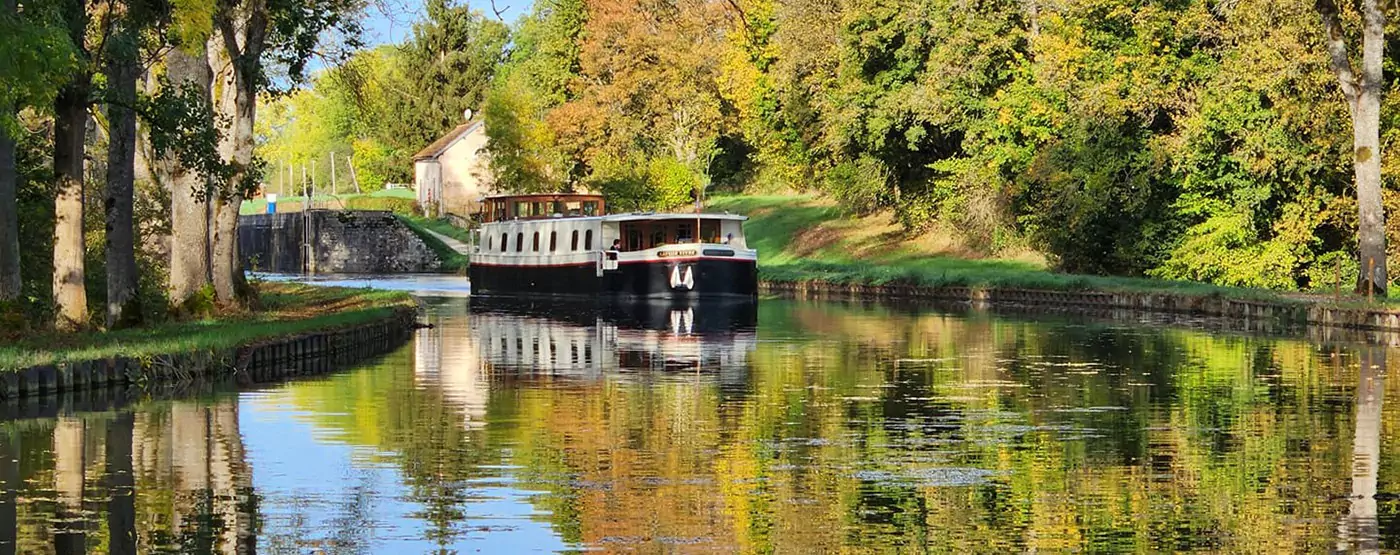
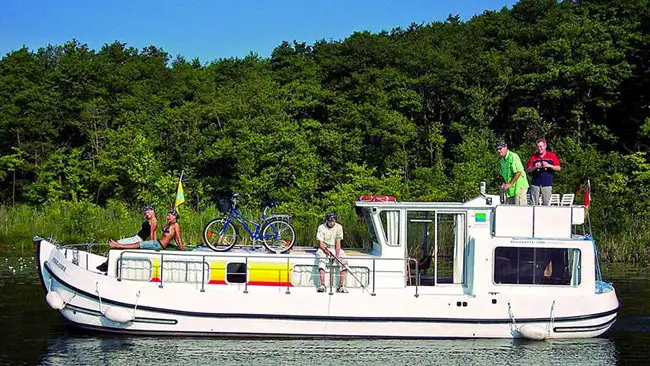
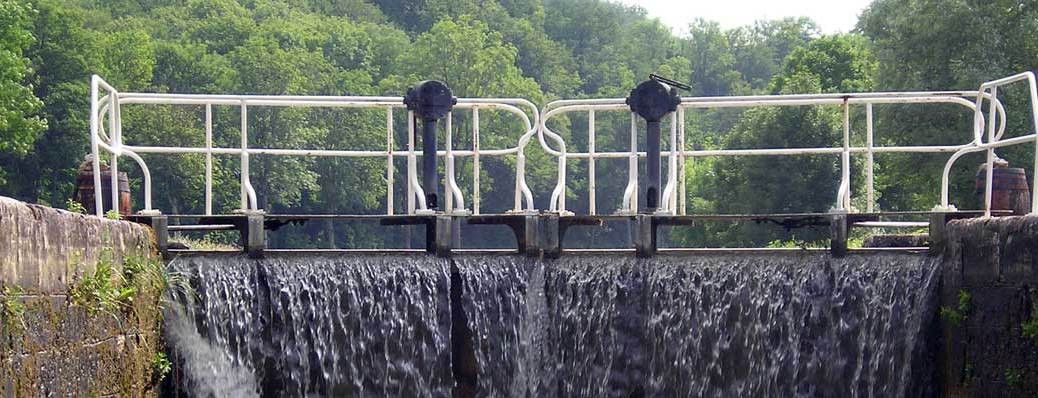
Stretching 242 kilometres between the Yonne and the Saône, the Burgundy Canal passes through quiet villages, rolling hills, vineyards, and tree‑lined towpaths that invite gentle walking and cycling. Its historic locks, stone bridges, and the remarkable Pouilly tunnel reflect centuries of craftsmanship. At the same time, its calm waters offer travellers a serene way to experience Burgundy's landscapes at an unhurried pace.
Burgundy is a region where history, gastronomy, and gentle countryside come together in perfect harmony. Travellers along the Burgundy Canal are never far from grand monuments, peaceful landscapes, and the flavours that have made this region one of France's most celebrated destinations.
Historic Towns & Timeless Monuments
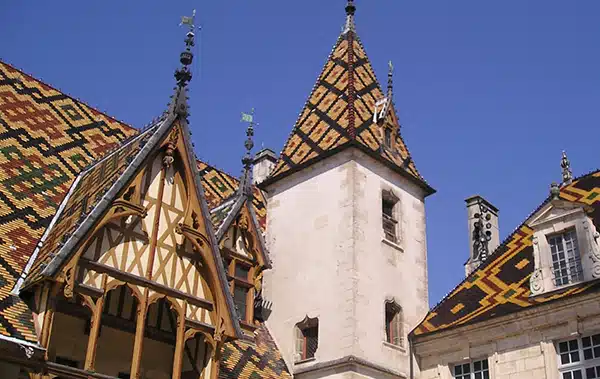
Burgundy's heritage is written in stone. Medieval fortresses crown the hills, Romanesque churches stand quietly in village squares, and elegant châteaux reflect centuries of craftsmanship. Highlights include the hilltop stronghold of Châteauneuf‑en‑Auxois, the graceful Fontenay Abbey, and the architectural treasures of Dijon and Beaune, where colourful tiled roofs and grand ducal palaces reveal Burgundy's powerful past.
A Landscape Made for Slow Travel
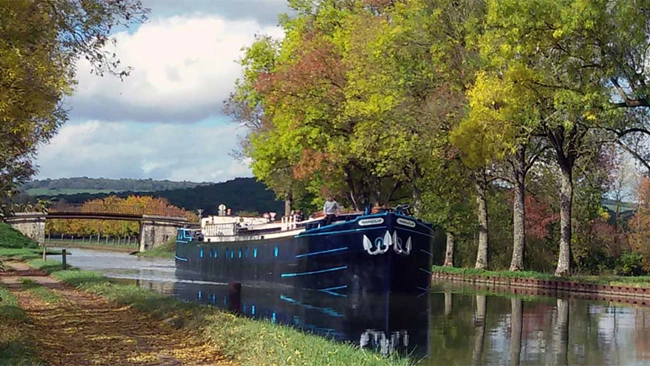
The countryside surrounding the canal is a tapestry of vineyards, forests, and rolling fields. Towpaths lined with poplars invite gentle walks and cycling, while quiet moorings offer views of grazing Charolais cattle and sunlit hills. Each bend in the canal reveals a new scene - a stone bridge, a sleepy hamlet, or a panorama stretching across the Auxois.
The Cuisine and World‑Renowned Wines
Burgundy is a paradise for food lovers. Local markets overflow with cheeses, charcuterie, honey, and seasonal produce. Classic dishes such as boeuf bourguignon, coq au vin, and pain d'épices celebrate the region's deep culinary traditions. In village restaurants and canal‑side auberges, travellers can enjoy simple, authentic meals prepared with local ingredients and Burgundy's unmistakable warmth.
No visit to Burgundy is complete without discovering its legendary wines and vineyards, UNESCO "Climats". From the elegant reds of Volnay and Pommard to the refined whites of Meursault and Puligny‑Montrachet, the region's vineyards produce some of the world's most admired bottles. Many domaines welcome visitors for tastings, offering a chance to experience Burgundy's wine culture at its source.
A Region to Explore at Your Own Rhythm
Whether you're wandering through historic towns, sampling local cuisine, or admiring the countryside from the deck of your boat, Burgundy invites you to slow down and savour every moment. It is a region rich in character, where every village, vineyard, and monument tells a story, and where travellers are welcomed with the quiet charm that defines Burgundy.
Dijon, the city
At the eastern gateway of the Burgundy Canal lies Dijon, a city celebrated for its grand architecture, lively markets, and deep culinary traditions. Once the seat of the powerful Dukes of Burgundy, Dijon blends medieval charm with vibrant modern life. Visitors can wander the historic centre, admire the Palais des Ducs, explore museums, or follow the famous "Owl Trail" through winding streets lined with timber‑framed houses and boutiques. As a starting or ending point for canal journeys, Dijon offers a perfect introduction to Burgundy's elegance and heritage.
Beaune, the wine capital
A short distance south of the canal, Beaune stands as the wine capital of Burgundy. Known for its prestigious vineyards and the iconic Hôtel‑Dieu with its colourful tiled roof, Beaune is a town where history and viticulture meet. Travellers can enjoy tastings in centuries‑old cellars, stroll the old ramparts, or explore the renowned wine museum. Its warm atmosphere and world‑class gastronomy make Beaune an essential stop for anyone wishing to experience Burgundy's celebrated wine culture.